Phone:+ 254743616093 E-Mail: info@bioclean.com

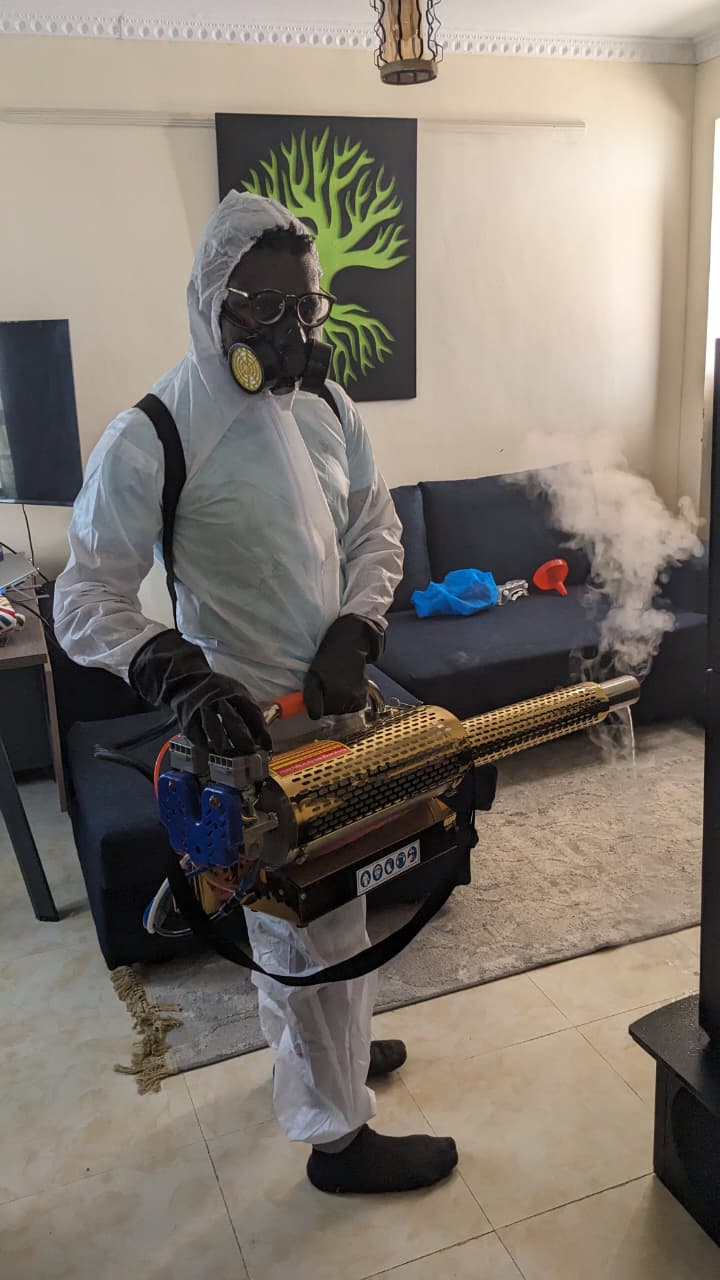
Fumigation in pest control is a unique treatment method used to eradicate hidden pests within structures, stored products, timber or hard-to-reach areas. Fumigation uses gaseous fumigants – known as fumigants – which penetrate every crevice and crevasse to eradicate eggs, larvae and adults alike; making this one of the most efficient solutions available when facing severe or large-scale infestations.
Fumigation is an effective tool used in pest control to eradicate termites, bed bugs, stored product pests, cockroaches, beetles, borers and other insects that cannot be reached with conventional treatments. The process involves sealing an area or item before releasing a controlled amount of fumigant for sufficient time until its effects can achieve complete eradication of all insects in that space or item. Once finished, ventilation and testing must take place to ensure its safe reentry by people, pets or workers after returning.
Fumigation is a widely utilized process in residential properties, commercial pest control, warehouses & shipping containers, food processing facilities and agricultural pest control . Fumigation is prized for its precision, high success rate and ability to eliminate pests in large volume, when conducted by licensed professional pest control it offers reliable solutions to persistent pest problems.
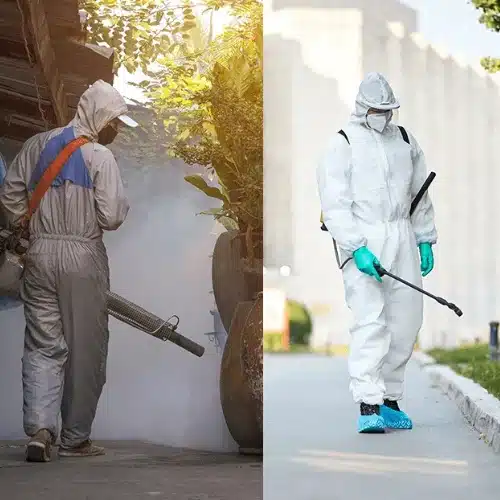

Types of Fumigations
Fumigation in pest control can be carried out in several ways, depending on the type of pest, level of infestation, and structure being treated. Each type of fumigation is selected based on the environment and pest challenge, ensuring a safe, effective, and thorough eradication process.
1.Structural Fumigation
This method treats entire buildings, rooms or enclosed spaces by sealing them and releasing fumigant gas into them. This technique has proven highly effective against termites, bed bugs and wood-boring insects as the gas penetrates deep into walls, cracks and hidden voids to eliminate infestation.
2.Container Fumigation
Container fumigation is an increasingly popular technique used in shipping containers and large-scale storage, to control beetles, moths and weevils that cause stored-product pest infestation. It helps ensure no new problems arise during export/import operations as well as during larger-scale storage efforts.
2.Container Fumigation
This form of fumigation specializes in treating individual items such as grains, dried food, wooden furniture or raw materials to keep them pest-free while not altering their quality, making it suitable for food processing and storage industries.
3.Commodity Fumigation
This form of fumigation specializes in treating individual items such as grains, dried food, wooden furniture or raw materials to keep them pest-free while not altering their quality, making it suitable for food processing and storage industries.
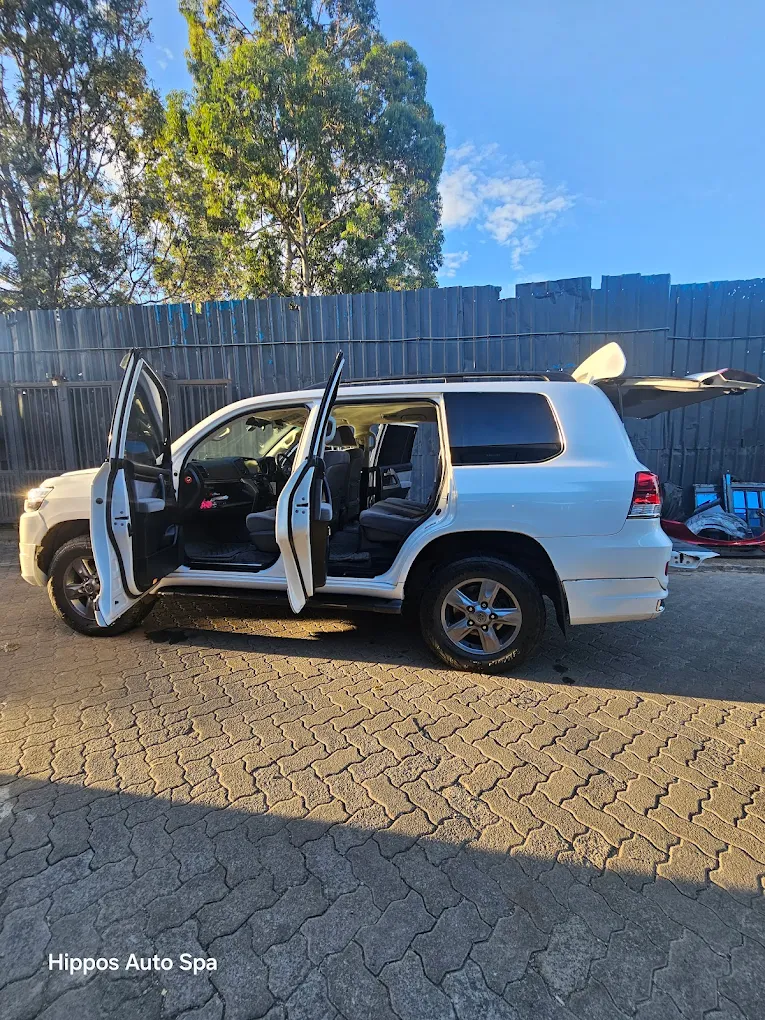
5.Fumigating Vehicles & Vessels
Fumigation can help ensure cargo areas remain pest-free during transportation, helping prevent cross-contamination and uphold hygiene standards in logistics and export industries.
What Are Fumigants and Steps for the Application of Fumigants
Fumigants are potency pest control chemicals used in gaseous form to eliminate insects, rodents, and other pests hiding out in inaccessible areas. Fumigants differ from liquid sprays or powders in that their gaseous form allows it to penetrate cracks in timber, soil packaging or enclosed structures to reach hidden spots where pests might hide; making them highly effective against large-scale or severe infestations. Fumigant gases also interfere with their respiratory systems ensuring complete eradication at every life stage, including eggs or larvae; popular fumigants include phosphine, methyl bromide or sulfuryl fluoride depending on what might best fit based on target pest and treatment environment factors.
Fumigant application must be conducted by certified professionals under strict safety protocols, and includes several general steps. For instance:
- Inspection & Assessment – To evaluate an area for pest infestation, the area needs to be assessed to identify species of pest, infestation level and any suitability for fumigation.
- Preparing the Site – Structures or items needing gas leakage protection are sealed off with tarpaulins, tapes or airtight barriers in order to stop gas from seeping through, with all people, pets and plants removed before sealing begins.
- Calculation of Dosage – Technicians determine the appropriate dose based on the size and intensity of infestation in an area.
- Release of Fumigant – Fumigant is introduced into a sealed environment and allowed to circulate and reach all corners.
- Period of Exposure – To guarantee complete pest eradication, gas is left inside for a predetermined amount of time before venting outward.
- Ventilation & Aeration – To remove all traces of gas from the treated space, it must be properly ventilated.
- Gas Level Testing – When performing safety testing, gas levels are measured to verify if an area is safe to enter again.
Fumigants deliver effective and long-lasting pest control results for commercial, agricultural, and structural applications.